

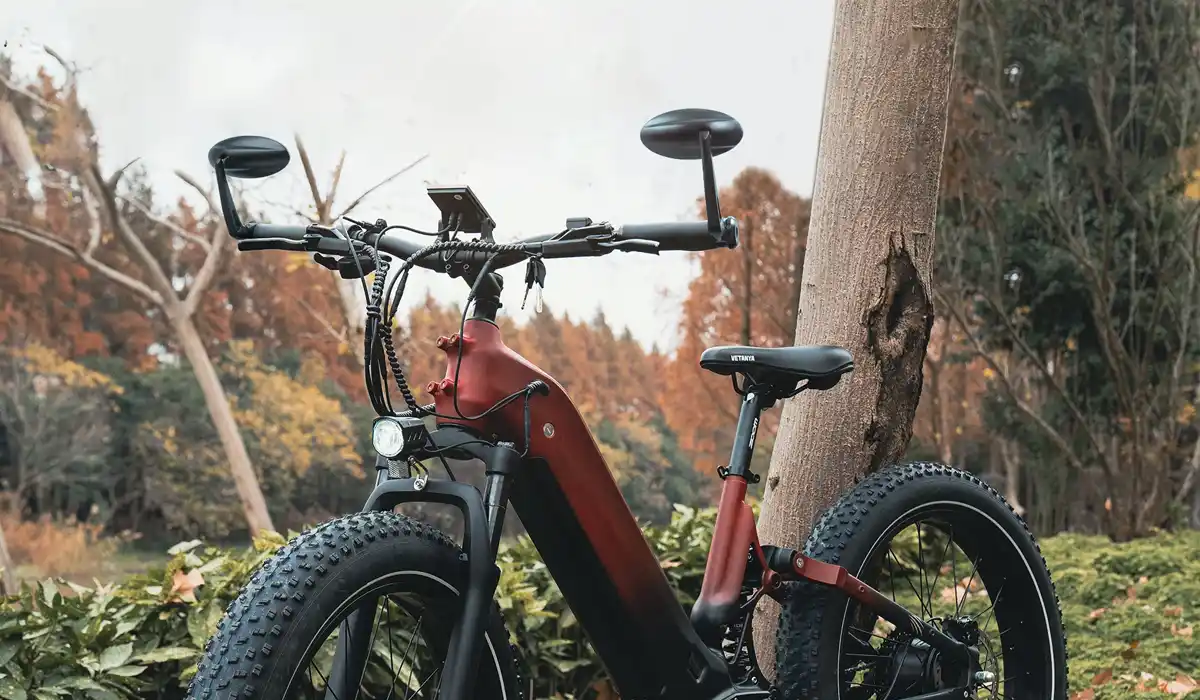
Modern E-Bike Awareness: A Guide to Advanced Visibility

As electric bikes bridge the gap between traditional cycling and high-performance mobility, your approach to safety must evolve. This resource center is dedicated to the unique visibility challenges of the electric platform—from silent urban commuting to the integration of advanced sensor technology.

This guide is dedicated to helping E-Bike riders master their rearward vision through a combination of mirrors, smart sensors, and tactical riding habits.


Foundations of Electric Bike Rearward Awareness

This core series explores the fundamental shift from traditional cycling to eBike-specific visibility, covering strategic habits, hardware choices, and tech integration.

How E-Bike Riders See Cars Behind Them

Electric bikes have changed how people ride. Modern E-Bikes allow riders to travel faster, commute longer distances, and share roads more frequently with cars, motorcycles, and buses. Because of this, rear awareness has become one of the most important safety skills for E-Bike riders.

Unlike cars and motorcycles, bicycles and most E-Bikes do not come with built-in mirrors or rear-visibility systems. Riders must actively monitor what is happening behind them. This is especially important when changing lanes, turning left, or riding in urban traffic.

Experienced riders typically rely on a combination of three methods:

  • Shoulder checks
  • Rear-view mirrors
  • Radar detection systems

Each approach has advantages and limitations. Understanding how they work can help E-Bike riders ride more confidently and safely in mixed traffic.

Do You Need Mirrors on an E-Bike? Safety, Visibility, and Commuting Reality

Electric bikes have made everyday cycling faster and more practical. Many riders now use E-Bikes for commuting, errands, and daily transportation rather than just recreation. As a result, E-Bike riders often share roads with cars, buses, and motorcycles.

Sooner or later, many riders ask a common question:
Do you actually need mirrors on an E-Bike?

Unlike motorcycles or cars, most bicycles and E-Bikes do not come with mirrors installed. Riders traditionally rely on turning their head to check traffic behind them. However, because E-Bikes travel faster and interact more frequently with motor vehicles, some riders consider adding mirrors to improve rear visibility.

Mirrors are not required for most bicycles or E-Bikes, but many commuters find them useful for maintaining awareness of vehicles approaching from behind.

Bar-End Mirrors for E-Bikes vs Motorcycles: Which Setup Works Better?

Rear visibility is one of the most overlooked aspects of two-wheel safety. Whether riding an electric bike or a motorcycle, riders must constantly monitor traffic approaching from behind.

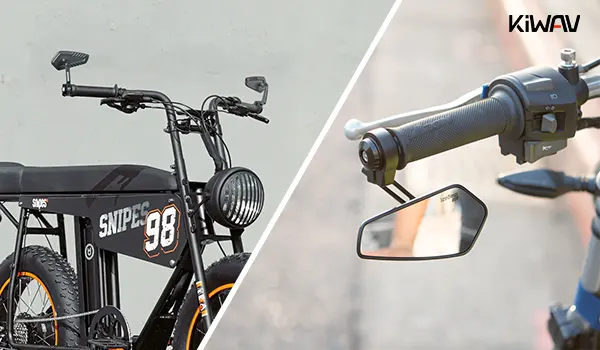
Among the many mirror configurations available today, bar-end mirrors are widely used because they offer a combination of visibility, stability, and ergonomic placement. While this mirror design has long been associated with motorcycles, many E-Bike riders are now adopting the same setup.

To understand why, we need to examine four key factors:

  • Vibration
  • Field of view
  • Stability
  • Mirror placement

These factors determine how well a mirror actually works in real riding conditions.

Helmet Mirrors vs Handlebar Mirrors for E-Bikes: Which One Is Better?

For riders who want better awareness of traffic behind them, mirrors are often the first solution people consider.

Among cyclists and E-Bike commuters, two mirror types are discussed most often:

  • Helmet mirrors
  • Handlebar mirrors

Both designs aim to solve the same problem — helping riders monitor vehicles approaching from behind — but they work in very different ways. Across cycling forums and commuter discussions, riders often debate which option works better in real-world riding conditions. The answer usually depends on visibility, stability, comfort, and riding style.

Garmin Radar vs Mirrors for E-Bikes: Which Improves Rear Visibility?
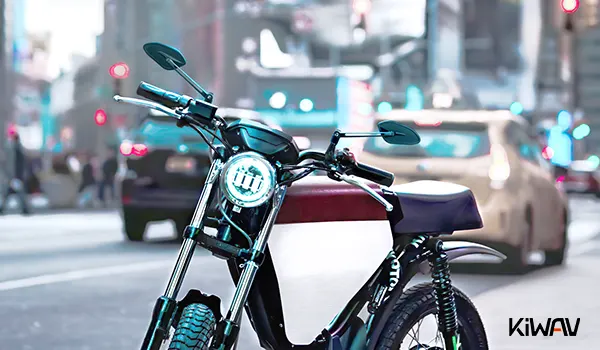
As E-Bikes become more common in urban commuting, riders are increasingly looking for better ways to monitor traffic behind them.

Traditionally, cyclists relied on two methods:

  • Shoulder checks
  • Mirrors

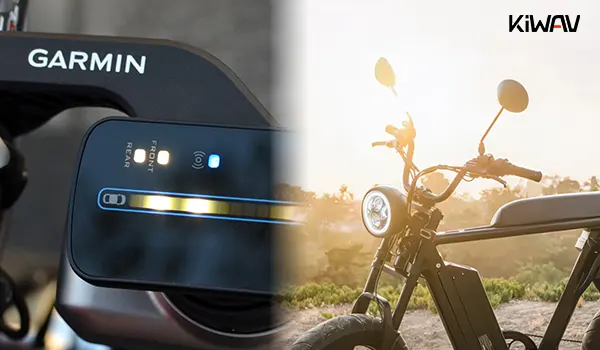
However, new technology has introduced a third option: bike radar systems, such as the Garmin Varia radar.
This raises an interesting question for many riders: Is radar better than mirrors for rear visibility?
The answer depends on how each system works and what kind of riding environment the rider faces.