


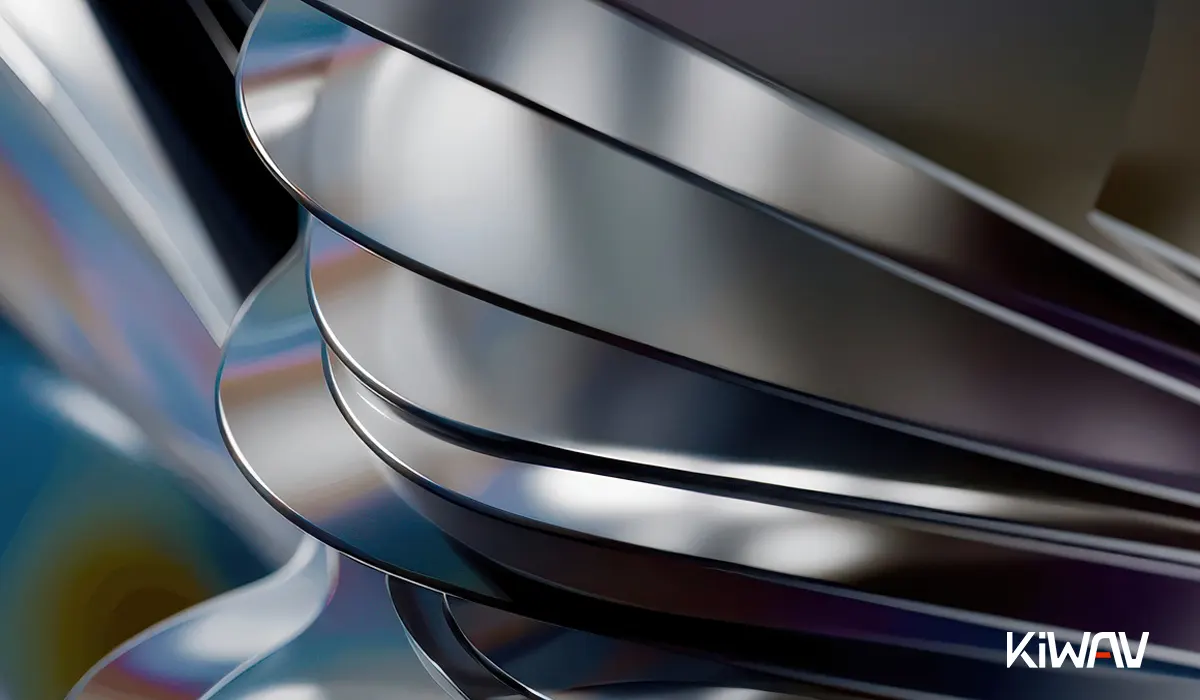
Not all mirror surfaces are created equal. Aluminum reflective surfaces are gaining popularity among riders seeking a modern, minimalist look, but they come with a unique set of maintenance and performance challenges. Unlike glass, these precision-machined surfaces require specific care and offer a different visual experience on the road.
Before you invest in this premium upgrade, it is essential to understand the vulnerabilities—from scratch sensitivity to visual clarity—that could impact your daily riding experience.
Key Trade-offs of Aluminum Glassless Mirrors
1. Scratches & Surface Vulnerability
Because the reflective surface is machined aluminum with only a thin protective coating, it is more susceptible to scratches or damage from hard contact—such as helmet hardware, keys, or jackets with metal components—than traditional glass mirrors with thicker protective layers. Careful handling and cleaning are required to avoid surface abrasion.
2. Cleaning Sensitivity
Aluminum reflective surfaces require gentle cleaning using only water, mild soap, and a soft cloth. Abrasive cleaners or rough materials can easily damage the optical finish, which is less tolerant of aggressive cleaning compared to glass.
3. Cost
Motorcycle mirrors using aluminum reflective surfaces are typically priced at a premium compared to many standard glass-based mirrors. Some riders perceive them as expensive relative to the functional benefits offered by conventional glass mirrors.
4. Inconsistent Surface Finish (Anecdotal)
A small number of rider discussions mention minor inconsistencies in mirror finish or tint between units, such as slight color variation. These reports appear anecdotal rather than widespread but are occasionally noted in user feedback.
5. Reduced Visual Clarity Compared to Glass
Some riders and reviewers observe that aluminum reflective surfaces can appear slightly less sharp or consistent than traditional glass mirrors, particularly under vibration or changing lighting conditions. While this may not be immediately noticeable, reduced clarity can affect contrast and depth perception over time, making glass mirrors the more dependable choice for riders who prioritize rearward visibility.
Summary
Aluminum, glassless mirror designs offer advantages such as reduced weight, resistance to shattering, and a modern, high-tech appearance. However, these benefits come with trade-offs, including greater sensitivity to scratches, stricter cleaning requirements, higher cost, and—according to some riders—less consistent optical clarity when compared with traditional glass motorcycle mirrors.
From here, you can explore: